

In today’s world, the complexity of environmental issues and the wide spectrum of their impacts require interdisciplinary, multi-layered, and transboundary approaches to address these challenges. Especially, in regions such as the Black Sea Basin, where urbanization is accelerating, industrialization is increasing, and natural resources are being depleted at an alarming rate, air pollution emerges as a multidimensional problem that threatens not only the environment but also public health and regional stability.
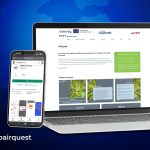
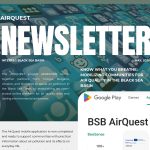
This book was prepared within the scope of the project “Know What You Breathe: Mobilizing Communities for Air Quality in the Black Sea Basin (AIRQUEST)” with the code BSB00168 to contribute to the fight against air pollution in the Black Sea Basin. The project aims not only to establish a scientific data platform but also to initiate a process of awareness and behavioral change that enables the public, local authorities, educators, and younger generations to directly benefit from this data. In this context, this book serves as the foundation for all content to be used in the website, mobile application, digital game, and other digital tools to be developed.
The chapters in the book address the causes of air pollution in the Black Sea Basin, regional differences, impacts on health and ecosystems, technological monitoring methods, solution strategies, and, in particular, the transformative power of education. The book contains not only technical information but also teaching materials for children, awareness-raising recommendations for the public, and information to guide decision-makers.
The AIRQUEST Project is based on a multinational collaboration involving Türkiye, Romania, Bulgaria, and Ukraine. It aims to develop data-driven decision support systems for cross-border pollution, increase public awareness through education, and effectively use digital technologies. This book serves as both a scientific and educational resource reflecting the project’s integrated approach.
The most important feature of this work is that it provides content that can be used and updated not only during the project but also after its completion. The information, analysis, and recommendations presented in the book are to be directly used in all digital applications (website, mobile application, computer game, etc.) developed within the scope of AIRQUEST. Thus, these contents will serve a long-term process of learning, awareness, and action.
Our greatest hope is that this book will serve as a roadmap for all stakeholders in the Black Sea Basin and to guide them in taking steps to be taken for a cleaner air and a healthier environment.